
Marking intent – the hand of the maker turning made to meant.
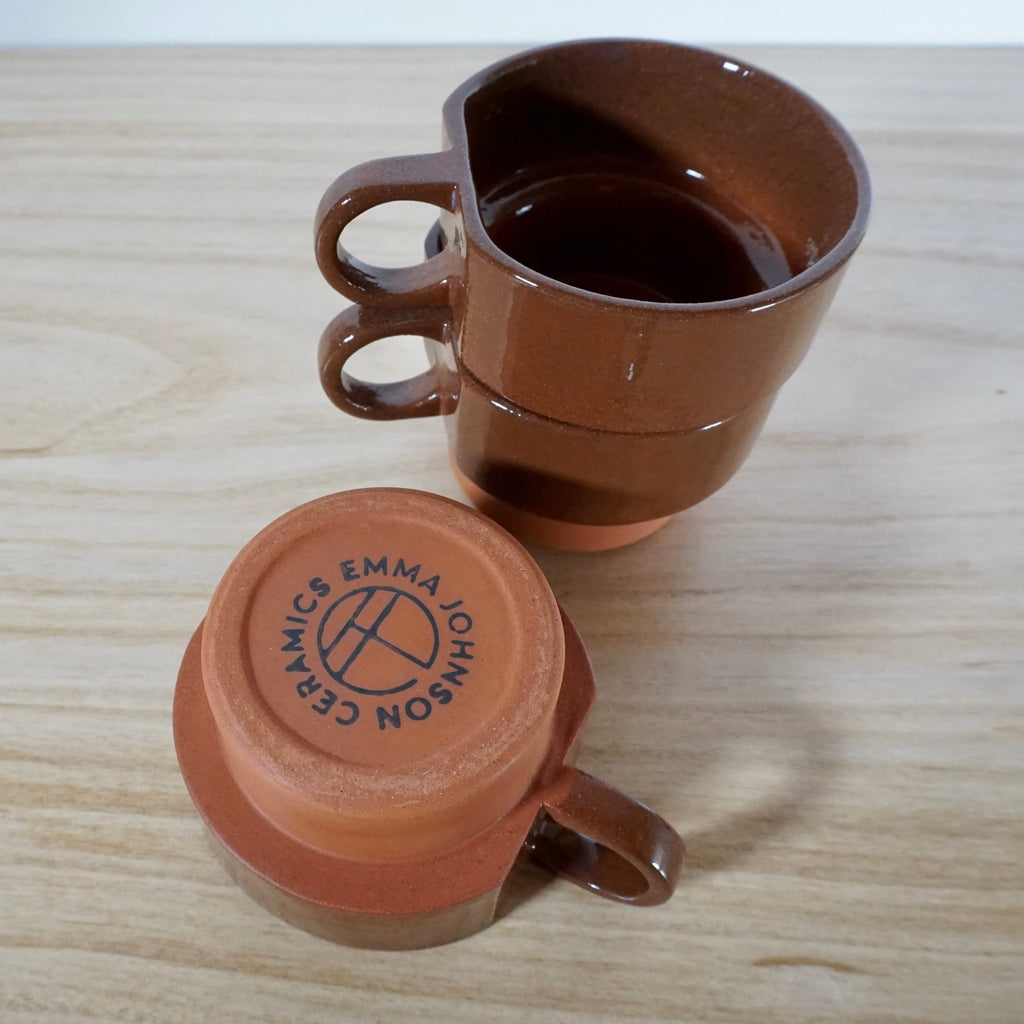
If you’ve ever turned over a handmade ceramic piece, you’ll likely have noticed a mark on the bottom: initials, a symbol or a name. This is a maker’s mark, a final personal touch that’s unique to the maker and their work. It connects each piece back to the hands that formed it, rooting it in craft, the material and a moment in time.
These marks have been used for centuries to tell the story of an object. They’re often a way to trace the origin of a piece, it can tell you about who the maker was and sometimes even where and when it was made. The moment when a maker presses a mark into their piece turns an object from something made into something meant, intended to live outside of the studio, in use, in homes, in daily life.
This moment of intention resonates with us right now. Core to the development for the new branding for Fodder was this act of mark making, quiet interventions on the surface that add depth to the wares. For us, the branding has become our own makers’ mark – an expression of identity, care and purpose.
Every handmade piece in our store bears the quiet imprint of its maker. With the launch of Fodder, our appetite to champion the maker made is only renewed, an intentional mark of who we are, and what we bring to the table – curating the very best handmade wares from UK makers.
Our potters leave their mark in many ways: some use a stamp pressed into the clay, others sign by hand or use an underglaze. Next time you pick up a handmade piece, have a look on the bottom to see if you can spot the makers mark, share them with us if you do! Below, you’ll find some of the maker’s marks from our collection for you to explore in more detail.


